Honoring the Memory of Mallorca Lee
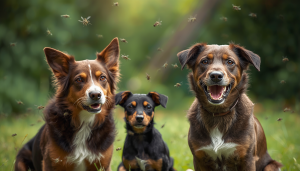
In July 2014, my life changed forever when I rescued a sweet mama dog, Momma Kate, and her nine newborn puppies. We named the group “Momma Kate and 9,” giving each pup a name inspired by music legends. A lively little boy with sparkling eyes and boundless energy stole my heart. We named him Mallorca Lee after a dear friend and one of Europe’s most electrifying DJs. It was the perfect name for a pup destined to shine.
Those early weeks were a whirlwind of cuddles, chaos, and discovery. Momma Kate lovingly cared for her pups, while Mallorca Lee made his mark—always wrestling, tumbling, and sneaking into my lap like he owned it. At just four weeks old, he was a bundle of dreams and possibilities.
The First Signs: Recognizing Chagas Disease in Puppies
One August morning, everything changed. Mallorca Lee wasn’t himself—his bright eyes dulled, and his playful energy vanished. Alarmed, we rushed him to the vet.
The diagnosis was devastating: Chagas disease, also known as kissing bug disease. Caused by the parasite Trypanosoma cruzi, Chagas is transmitted through the bite of a triatomine bug—often around the eyes or mouth. It sounded like a distant threat, but it was now attacking our tiny boy’s heart.
Despite fighting for him with every resource we had, Chagas was relentless. That same day, Mallorca slipped away in my arms. He was only four weeks old—a life just beginning, now heartbreakingly cut short.
Understanding Chagas Disease in Dogs
Before Mallorca’s diagnosis, I had never heard of Chagas disease in pets. Now, I know it’s critical for all pet owners to recognize the symptoms early:
- Early signs: Fever, tiredness, loss of appetite, diarrhea, swollen lymph nodes, or swelling around the bite (known as Romaña’s sign). These are the most common early symptoms of Chagas disease in dogs and should be taken seriously.
- Cardiac symptoms: Irregular heartbeats, breathing difficulty and fainting.
- Chronic stage: Heart failure, coughing, swollen belly (from fluid buildup), sudden collapse.
Many dogs show no symptoms until it’s too late. For puppies like Mallorca, the disease can progress tragically fast.
Where Chagas Disease is Found
Chagas disease is more common than many realize, especially in the southern United States and Latin America. Kissing bugs often hide in:
- Dog kennels
- Under porches
- In woodpiles and debris
- Outdoor structures with soil floors
Dogs can get infected through a bite, by eating an infected bug, or even in the womb, as may have happened to Mallorca.
What To Do If You Find a Kissing Bug
If you see a kissing bug:
- Never touch it with your bare hands. The parasite is found in their feces, which can enter through cuts, eyes, or mouths.
- Capture safely: Use gloves or a plastic bag, and place the bug into a sealed container.
- Submit for testing:
- Bitten or found indoors? Please send it to Texas DSHS (free testing is available).
- Found outdoors? Submit to the Texas A&M Kissing Bug Citizen Science Program.
After handling a kissing bug:
- Disinfect surfaces with bleach.
- Rake and clean outdoor areas to remove hiding spots.
- Inspect pets and your home regularly for bugs.
I wish I had known all this in 2014—maybe it could have saved Mallorca.
A New Hope: Dr. Roy Madigan’s Life-Saving Work Against Chagas
In my grief, I found hope in Dr. Roy Madigan, a Texas veterinarian who is leading the charge against Chagas disease in dogs.
Dr. Madigan’s Breakthrough Treatment for Chagas Disease
In 2007, after losing shelter dogs to Chagas, Dr. Madigan refused to accept defeat. Working with Dr. Alberto Paniz-Mondolfi, he developed a pioneering treatment protocol using amiodarone and itraconazole. This treatment, available through Vida Pharmacal, has shown promising results with up to a 95% cure rate when started early.
His treatment—available through Vida Pharmacal—achieves up to a 95% cure rate when started early. Dr. Madigan’s work is now saving pets across the U.S.—from military working dogs to even a walrus.
He also leads the Texas Chagas Task Force, fighting for better diagnostics and USDA-approved tests to catch infections early.
Contact Dr. Madigan:
- Animal Hospital of Smithson Valley
- Address: 286 Singing Oaks, Ste 113, Spring Branch, TX 78070
- Phone: (830) 438-8885
- Website: centraltexasvet.com
His breakthroughs are a beacon of hope. If Mallorca had access to his treatment back then, he could still be here today.
How You Can Help Spread Awareness
We can honor the pets we’ve lost and protect those still with us. Here’s how:
1. Talk to Your Veterinarian
Ask about Chagas testing and Dr. Madigan’s treatment. Many vets still aren’t aware of it!
2. Share on Social Media
Tag local shelters and pet rescue groups when you post about Dr. Madigan’s 95% cure rate and the need for early testing.
3. Host a Pet Health Night
Show an educational video about Chagas disease and hand out prevention tips. Knowledge saves lives.
4. Support Shelters
Encourage shelters to test rescue dogs for Chagas and offer donations toward PCR blood tests.
5. Tell Your Story
If you’ve been touched by Chagas, share your experience. Personal stories—like Mallorca’s—can move hearts and change lives. By sharing our stories, we can connect with others who have experienced similar losses and inspire them to take preventive measures.
Final Thoughts: Protecting the Pets We Love
Prevention and early detection are critical in fighting Chagas disease:
- Seal cracks and clean yards to eliminate bug hiding places.
- Screen windows and doors to prevent bugs indoors.
- Annual blood testing for Chagas should be a routine part of checkups, especially in warmer climates.
If only I had known to test Momma Kate and her pups, maybe Mallorca would still be stealing laps and chasing toys today.
This story is for him—for the puppies we lost too soon, and for those we can still save.

For Mallorca, for Momma Kate, and every pet we love—let’s keep them safe. 💖