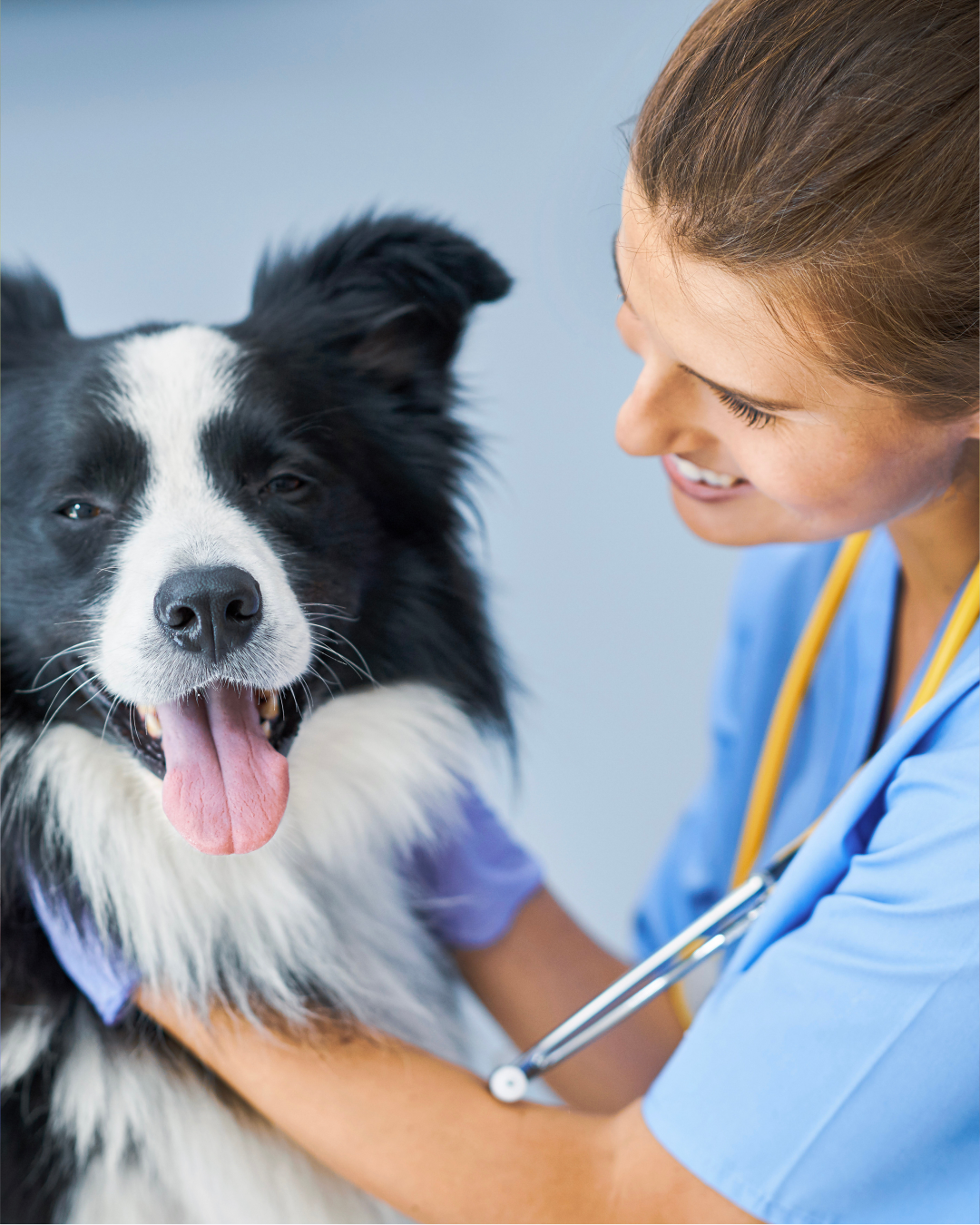
As a devoted dog owner, staying informed about potential health issues is key to keeping your furry companion thriving. One condition that can significantly affect canine health is megaesophagus in dogs, an esophageal disorder that disrupts swallowing and digestion. In this guide, we’ll explore what megaesophagus is, its causes, megaesophagus symptoms, diagnosis, and the latest megaesophagus treatment options, including innovative approaches like Viagra and CBD oil.
What Is Megaesophagus in Dogs?
Megaesophagus is a condition—either congenital or acquired—where the esophagus, the muscular tube connecting the mouth to the stomach, becomes abnormally dilated. This loss of muscle tone makes it difficult for dogs to move food into their stomachs, leading to serious complications in canine digestion. When the esophagus fails to function properly, food can accumulate, causing discomfort and health risks.
Causes of Megaesophagus in Dogs
The origins of megaesophagus in dogs vary, often stemming from genetic predisposition or environmental triggers. Certain breeds, including German Shepherds, Labrador Retrievers, and Great Danes, are more susceptible. Other potential causes include:
- Congenital defects present at birth
- Trauma or injury to the esophagus
- Infections or inflammation affecting the esophagus
- Neurological disorders impacting muscle control
- Side effects from specific medications
Understanding these causes can help in early detection and management of this esophageal disorder.
Recognizing Megaesophagus Symptoms in Dogs
Dogs with megaesophagus often show clear signs tied to swallowing and digestion difficulties. Common megaesophagus symptoms to watch for include:
- Regurgitation of undigested food
- Frequent vomiting
- Unexplained weight loss
- Coughing or gagging during meals
- Difficulty swallowing (dysphagia)
- Abdominal discomfort or pain
If your dog exhibits these symptoms, a veterinary evaluation is crucial for timely intervention.
How Is Megaesophagus Diagnosed?
Diagnosing megaesophagus in dogs involves a thorough process combining physical exams, medical history, and advanced diagnostic tools. Veterinarians may use:
- Radiographs (X-rays): To visualize the esophagus and stomach
- Fluoroscopy: To observe food movement in real-time
- Endoscopy: To inspect the esophagus internally
- Biopsy: To rule out underlying diseases
Accurate diagnosis is the first step toward effective megaesophagus treatment.
Megaesophagus Treatment Options for Dogs
While there’s no cure for megaesophagus, several strategies can manage the condition and enhance your dog’s quality of life. Popular megaesophagus treatment options include:
- Dietary Adjustments: High-calorie, nutrient-dense foods combat weight loss.
- Upright Feeding: Elevated feeding positions reduce regurgitation.
- Medications: Drugs like metoclopramide ease symptoms.
- Surgery: In severe cases, surgical correction or feeding tubes may be required.
Customizing treatment to your dog’s needs is essential for success.
Viagra for Dogs: A Surprising Treatment
Recent studies highlight sildenafil—better known as Viagra, for dogs—as a promising aid for megaesophagus. By relaxing the esophageal smooth muscle, Viagra helps food pass into the stomach more easily. Research shows it reduces regurgitation and supports weight gain, making it a valuable tool in megaesophagus treatment plans.
CBD Oil for Dogs: A Natural Support
CBD oil for dogs, particularly full-spectrum varieties, offers holistic benefits for managing megaesophagus. By interacting with the endocannabinoid system, CBD may:
- Reduce inflammation and pain in the esophagus
- Improve digestion and minimize regurgitation
- Boost appetite to counter weight loss
- Ease stress, which can worsen symptoms
Opt for high-quality, full-spectrum CBD oil for dogs to maximize these benefits and support your pet’s dog health.
Conclusion: Managing Megaesophagus for a Healthier Dog
Megaesophagus in dogs is a challenging condition, but with proper care, affected dogs can still enjoy fulfilling lives. Innovative treatments like Viagra for dogs and CBD oil for dogs, alongside traditional methods, offer hope for symptom management. If you notice megaesophagus symptoms, consult your veterinarian promptly to tailor a treatment plan that suits your dog’s needs.
With the right approach, your dog can overcome the hurdles of this esophageal disorder and thrive.