Leptospirosis, commonly known as “Lepto,” is a bacterial disease that poses a serious threat to pets, especially dogs, and can even affect humans. Caused by the Leptospira bacteria, this zoonotic disease thrives in warm, wet environments, making it a growing concern in flood-prone regions like Texas. In 2025, catastrophic flooding in Central Texas has heightened the risk of leptospirosis in pets. This blog post will cover what leptospirosis is, its symptoms in pets, how Texas flooding contributes to increased cases, steps to protect your pet, and a call to action for local pet owners.
What is Leptospirosis?
Leptospirosis is caused by spiral-shaped Leptospira bacteria that infect mammals, including dogs, cats, and humans. Dogs are particularly vulnerable, while cats are less likely to show severe symptoms but can still carry and spread the bacteria. The bacteria are typically transmitted through the urine of infected animals, such as rodents, raccoons, or other wildlife, contaminating soil, water, or surfaces.
Pets can contract Lepto by coming into contact with contaminated water, soil, or food, or through direct contact with an infected animal. Once inside the host body, the bacteria can cause a range of symptoms, from mild to life-threatening, affecting the kidneys, liver, and other organs.
Symptoms of Leptospirosis in Pets
Leptospirosis can be challenging to diagnose because its symptoms often resemble those of other illnesses. Pet owners should watch for the following signs in their dogs:
• Fever and lethargy: Your pet may appear unusually tired or weak.
Leptospirosis in Pets: How Texas Flooding Puts Your Animals at Risk and What You Can Do
• Loss of appetite: Refusal to eat or drink is a common early sign.
• Vomiting and diarrhea: These can lead to dehydration if untreated.
• Jaundice: Yellowing of the eyes, gums, or skin, indicating liver involvement.
• Muscle pain or stiffness: Your pet may be reluctant to move.
• Increased thirst and urination: This can signal kidney issues.
• Respiratory distress: In severe cases, breathing difficulties may occur.
Cats, although less commonly affected, may exhibit mild symptoms such as fever or lethargy, but can still transmit the bacteria to other animals or humans.
If you notice any of these symptoms, contact your veterinarian immediately. Early diagnosis and treatment with antibiotics can significantly improve your pet’s chances of recovery.
The Role of Flooding in Texas
Texas in 2025 has faced catastrophic flooding, particularly in Central Texas along the Guadalupe River, where flash floods beginning July 4, 2025, resulted in at least 129 deaths and left approximately 170 people missing, many in Kerr County. The floods, caused by a mesoscale convective vortex with enhanced tropical moisture from the remnants of Tropical Storm Barry, brought up to 20.33 inches of rain in some areas, with the Guadalupe River rising 26 feet in just 45 minutes. This rapid surge devastated communities, including the destruction of homes, businesses, and Camp Mystic, a Christian summer camp for girls in Hunt, Texas, where at least 27 campers and staff perished.
These floods create ideal conditions for the spread of Leptospira bacteria, amplifying the risk of leptospirosis for pets in the following ways:
- Contaminated Water Sources: Floodwaters mixed with sewage, animal waste, and runoff from agricultural and urban areas create a breeding ground for Leptospira. Pets can easily contract the bacteria by wading through or drinking from contaminated floodwater or puddles. The CDC has noted that floodwater from heavy rains, like those in Texas, can harbor Leptospira, increasing the risk of serious illnesses such as kidney or liver failure.
2. Displaced Wildlife: The floods displaced wildlife like rodents, raccoons, and opossums—common Lepto carriers—into residential areas as they sought dry ground. These animals may urinate in backyards, parks, or near homes, leaving behind bacteria that can infect pets. The widespread debris and destruction along the Guadalupe River, including RV parks and campgrounds, likely increased contact between pets and infected wildlife.
3. Stagnant Water: Standing water in ditches, yards, or low-lying areas after flooding can harbor Leptospira for weeks, especially in Texas’s warm, humid climate. The bacteria thrive in such conditions, making post-flood environments particularly hazardous. Reports of continued rainfall in Kerr County have raised concerns about rising water levels in areas like Johnson Creek, further prolonging the risk.
4. Increased Exposure: The chaos of flooding often leads to pets roaming in affected areas as owners clean up or evacuate. With over 2,000 volunteers and search teams scouring debris-laden areas along the Guadalupe River, pets accompanying owners or rescuers face heightened exposure to contaminated environments. Additionally, displaced pets—hundreds of which were reported missing after the floods—may encounter contaminated water or wildlife while lost.
Veterinary clinics in flood-affected areas like Kerrville have reported a rise in Lepto cases following heavy rains, underscoring the need for heightened awareness. The combination of contaminated floodwater and displaced wildlife creates a perfect storm for the spread of this dangerous disease.
Protecting Your Pet from Leptospirosis
Taking proactive measures is critical to safeguarding your pet from leptospirosis, especially during and after flooding. Here are essential steps to protect your pet:
- Vaccinate Your Dog: A leptospirosis vaccine is available for dogs and is strongly recommended in high-risk areas like Texas. The vaccine protects against the most common strains of Leptospira but requires annual boosters. Schedule a visit with your veterinarian to ensure your dog’s vaccinations are up to date, particularly if you live in or near flood-affected areas, such as Kerr County.
2. Avoid Contaminated Water: Prevent your pet from drinking from or wading in standing water, puddles, or flooded areas. After walks, rinse their paws and fur with clean water to remove potential contaminants. Provide fresh, clean water for drinking at all times. Given reports of floodwater-related injuries, such as cuts and lacerations that can become infected by contaminated water, extra caution is warranted.
3. Control Rodents and Wildlife: Rodents are a primary source of Lepto, and their presence has likely increased in residential areas due to flooding. Secure pet food, seal garbage cans, and eliminate nesting areas like debris piles or cluttered yards. Consider professional pest control if rodents are a recurring issue. The widespread debris from the Guadalupe River floods, including fallen trees and scattered furniture, provides ample hiding spots for wildlife.
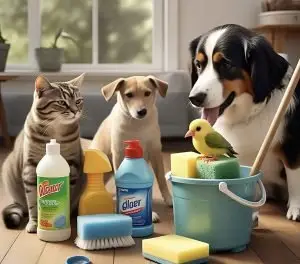
4. Clean and Disinfect: If your pet has been exposed to floodwater or potentially contaminated areas, wash their paws, fur, and bedding with pet-safe shampoo and clean water. Disinfect surfaces they frequent, such as crates or outdoor kennels, to minimize bacterial spread. This is especially important in areas like Ingram and Hunt, where floodwater carried debris and contaminants across residential zones.
5. Limit Outdoor Exposure During Floods: Keep your pet indoors as much as possible during heavy rains or flooding. If they must go outside, stick to dry, elevated areas and avoid low-lying spots where water tends to collect. The Kerrville Police Department urged residents to stay away from flood zones to avoid interfering with rescue operations, a reminder that applies to pet owners as well.
6. Protect Yourself: Lepto is zoonotic, meaning humans can contract it from infected animals or contaminated water. Wear gloves when cleaning up after your pet, especially in flood-affected areas, and wash your hands thoroughly afterward. The CDC emphasizes the importance of protecting both pets and owners from floodwater-related illnesses.
Proactive Measures to Stay Ahead
Being proactive about leptospirosis involves planning and awareness, especially in flood-prone regions like Central Texas, known as “Flash Flood Alley.” Here are the key steps to stay ahead of the risk:
• Stay Informed: Monitor local weather reports and flood warnings, particularly from the National Weather Service, which issued six flash flood emergency warnings for Kerr County and Mason on July 4, 2025. Resources like the Kerr County Sheriff’s Office Facebook page provide real-time updates on flooding risks and safety advisories.
• Regular Veterinary Checkups: Schedule routine vet visits to discuss your pet’s health and vaccination needs. Ask about Lepto testing if you suspect exposure, especially after flooding. With reports of over 100 injured and orphaned wild animals being brought to rehabilitation centers after the flood, veterinarians may also be on high alert for Lepto cases.
• Create a Pet Safety Plan: During flood season, have a plan to keep your pet safe. This includes keeping them in a secure, dry area of your home and maintaining a supply of clean water, pet-safe disinfectants, and extra food in case of evacuation. The displacement of hundreds of pets during the Guadalupe River floods highlights the need for preparedness.
• Community Awareness: Spread the word about Lepto risks in your community. Share this information with fellow pet owners about the dangers of floodwater and the importance of vaccination. Community efforts, such as the 2,000 volunteers aiding in Kerr County, demonstrate the power of collective action. This principle can be extended to pet safety by organizing local awareness campaigns or pet safety workshops.
• Monitor for Displaced Pets: With hundreds of pets reported missing after the floods, check local shelters or reunification centers, like those set up by the Red Cross in Kerrville, to locate lost animals. If you find a stray, handle it cautiously and have it checked by a vet for potential Lepto infection.
Treatment and Prognosis
If your pet is diagnosed with leptospirosis, treatment typically involves antibiotics like doxycycline or penicillin to eliminate the bacteria. Supportive care, such as fluids for dehydration or medications for organ support, may also be necessary. The prognosis depends on the severity of the infection and how quickly treatment begins. Mild cases often recover fully, but severe cases involving kidney or liver failure can be life-threatening without prompt intervention.
A Call to Action for Texas Pet Owners
The flooding in Texas in 2025, particularly along the Guadalupe River, has left a trail of devastation, with at least 129 lives lost, countless homes destroyed, and hundreds of pets displaced. The tragedy at Camp Mystic, where 27 campers and staff perished, and the ongoing search for 170 missing individuals underscore the severity of this disaster., For pet owners, the threat of leptospirosis looms large in the wake of these floods, as contaminated water and displaced wildlife create a perfect storm for disease transmission.
Now is the time to act. Vaccinate your dog against leptospirosis, keep them away from floodwater, and stay vigilant for symptoms. Please work with your community to raise awareness and support recovery efforts, including helping reunite lost pets with their families. Contact your veterinarian to discuss Lepto prevention and testing, especially if you live in or near Kerrville, Hunt, or other flood-affected areas. For real-time updates on flooding and recovery resources, check the Kerr County Sheriff’s Office or the National Weather Service. Together, we can protect our pets and rebuild stronger, ensuring their safety in the face of this preventable but dangerous disease.
Stay safe, Texas, and keep your furry companions close and healthy.
Note: For the latest updates on flooding in your area or veterinary resources, please get in touch with your local veterinarian or check trusted sources, such as the Kerr County Sheriff’s Office or the National Weather Service. If you have specific questions about your pet’s health, always consult a professional for tailored advice.